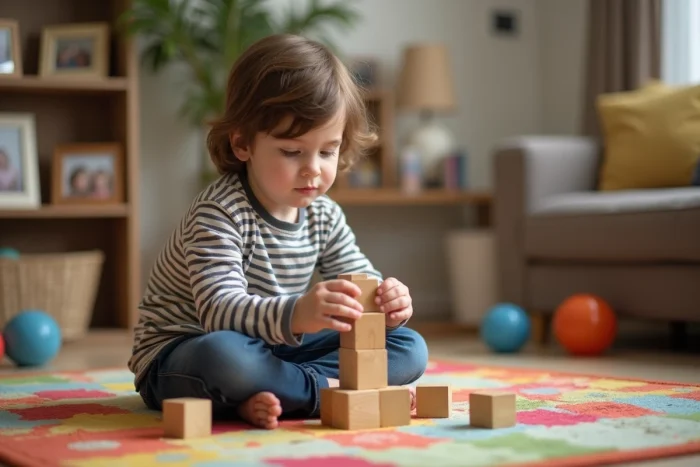
A three-year-old child stubbornly insists on proudly choosing their clothes while rejecting the idea of putting on their shoes without help. Autonomy emerges in fits and starts, full of paradoxes that even challenge those who think they know everything.
Major educational methods often sell dreams while forgetting reality: each child invents their own trajectory. So, at home, it is the daily gestures, the simple markers, that reassure and awaken initiative. Here, there is no magic wand: it is the small victories and imperfect attempts that build confidence and pave the way for well-being.
Why autonomy matters so much in childhood
Child autonomy is learned step by step, starting from the early years of life. It does not appear all at once. A child needs to try, to make mistakes, to start over: each attempt forges their support points. Controlled risk-taking, climbing on a wall, falling, getting back up, allows the child to discover their limits, to strengthen their resilience without losing confidence.
Encouraging autonomy nurtures self-confidence, sparks learning, and shapes resilience. A child encouraged to venture out on their own learns to tame their emotions and copes better with their own mistakes. This dynamic fuels curiosity, boosts concentration, and chases away anxiety.
Here are some concrete attitudes to support this development:
- Welcoming the sometimes clumsy attempts with patience
- Putting words to each emotion felt
- Valuing the effort made, regardless of whether the result is perfect
- Establishing a secure framework that can be relaxed according to the situations
The website parlonsenfance.fr provides useful resources to support this journey. Recognizing each progress, no matter how discreet, is betting on the potential of each child.
Guidelines for growing between freedom and structure
Working on this balance is the art of the parent or professional: to protect, but also to leave space to try. A well-set framework helps the child to take ownership of routines, dressing, meals, play, all of which are grounds for feeling capable, without an obsession with performance.
Emotions rhythm every family reality. Naming joy, frustration, or anger is not trivial: it creates an atmosphere of listening and teaches how to welcome feelings, both their own and those of others. Active listening and a touch of empathy infuse daily life, in discussions, managing small conflicts, or encouraging efforts. This is where the first social alliances are born, without erasing each person’s individuality.
To concretely support autonomy in daily life:
- Adapting to each child’s personal rhythm, without rushing
- Involving the child in small decision-making: selecting an outfit, preparing a snack
- Engaging them in the household, as folding laundry or setting the table teaches as much as play
When there is a diagnosis of disability, taking the time to explain, with understandable words, ensures inclusion without stigmatization. By involving the child in their individualized project, families and professionals weave an alliance, neither fusion nor erased, where every voice counts.
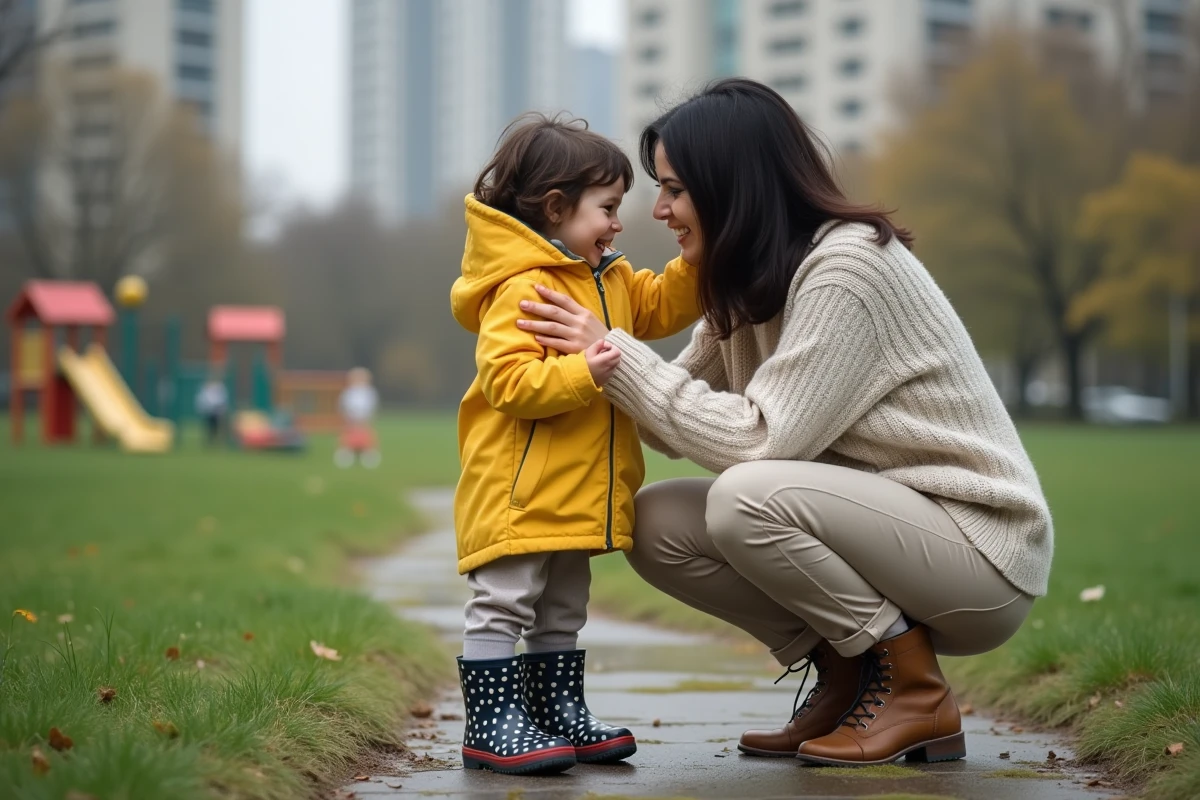
Concrete actions to encourage autonomy at home
Autonomy is worked on every day. Involving the child in domestic tasks suited to their abilities, tidying up their toys, choosing their clothes, helping to cook, is not trivial. These experiences, both simple and structuring, boost self-confidence and strengthen self-esteem. Several experts emphasize learning through experience or the central role of constructive error.
Playful activities like board games, DIY projects, or cooking together provide the child with opportunities to take initiatives, cooperate, and learn to manage unexpected situations. Integrating them into family discussions about rules or disputes also prepares the ground for emotion management and resilience.
For those who want to go further, there are several effective levers:
- Regularly proposing physical activities, including team sports that develop endurance and team spirit
- Valuing any display of empathy, even if clumsy, and every attempt
- Establishing clear and predictable routines, such as waking up, meals, bedtime, which outline learning
Giving a child the opportunity to make mistakes, to help, to express themselves, and to redo is to guide them towards a future where they feel both solid and free. Sometimes, it only takes a shared moment, a recognized word, to see a new achievement emerge on this bumpy yet intensely vibrant path of childhood.