Nearly 70% of local decisions regarding the environment are made at the municipal level, according to data from the Ministry of Ecological Transition. In France, each municipality manages an average of over 200 competencies, ranging from water distribution to waste management, urban planning, and mobility. The daily functioning of these bodies relies on strict procedures and mandatory consultation mechanisms. Yet, communication around these missions often remains limited, even though it conditions the effectiveness and acceptability of public policies.
Public Institutions and Sustainable Development: What Challenges for Today’s Society?
The public service plays a key role in the ecological transformation that is accelerating across France. Every day, it guarantees citizens access to essential goods and services while driving innovation in environmental matters. Behind these policies, civil servants and elected officials are engaged, blending social demands with rapid adaptation to climate realities. From selective sorting to water management, every local decision impacts the cohesion of territories.
Several pillars structure the action of public institutions in this context:
- Justice ensures equity: it protects vulnerable individuals and resolves disputes related to economic or ecological upheavals. Its goal? To enable everyone to exercise their rights at a time when rules are becoming more complex and disparities are widening.
- The President of the Republic, elected by universal suffrage, appoints the Prime Minister and, together with the government, sets the country’s guidelines on sustainable development issues.
The architecture of public services in France is based on a solid organization, from the municipal level to the State. Tools like citizen consultation or urban planning adjust policies to local realities. Take the example of CRCA 22: this mechanism demonstrates the ability of institutions to integrate ecology at the heart of territorial decisions, as detailed on the page “Everything You Need to Know About CRCA 22: An In-Depth Analysis – Breizheo”.
In the face of environmental urgency, the public service must strengthen its action: better support, better inform, better regulate. Innovating in resource management, defending social justice, and encouraging citizen participation become key levers for transformation. Public institutions are on the front lines, guided by the demand for transparency and the need to set an example.

At the Heart of the Municipality: How Town Halls and Public Communication Shape the Daily Lives and Sustainable Future of Citizens
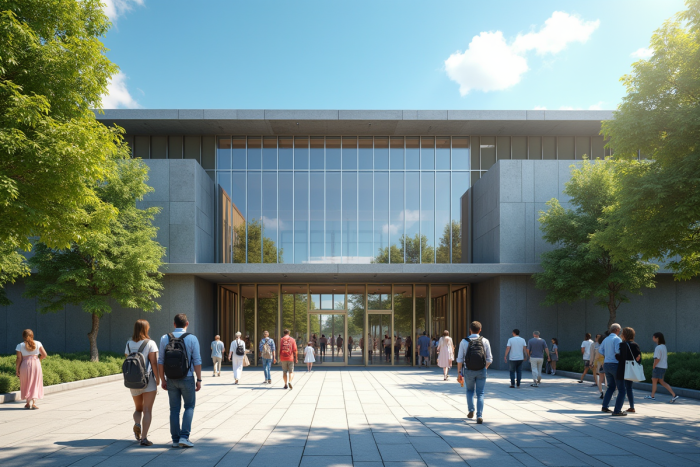
The town hall is the door that everyone knocks on: administrative procedures, urban planning, school enrollment, road safety… Everything goes through there. The mayor and their team orchestrate local life, ensure the smooth operation of public services, and represent the State at the municipal level. Here, the connection with residents is anything but abstract: people engage, respond, and build community.
At the core of this dynamic, public communication holds a strategic position. It is not to be confused with political communication: its mission, carried out by seasoned professionals, is to inform clearly, support processes, explain budgetary or urban choices, and share environmental projects. It opens access to information for all and nourishes local democracy.
The municipal council embodies democratic deliberation. Its decisions, discussed publicly, reflect the collective will and translate into concrete policies. Dialogue flows, residents get involved, and debates shape the future. This functioning encourages everyone to participate in building a more sustainable future.
The notion of ethics permeates all public action. Communicators rely on professional charters to strengthen trust and ensure fair dialogue between institutions and citizens. Local authorities innovate: interactive digital platforms, open public meetings, new participatory mechanisms… Everything is implemented so that everyone finds their place and services adjust to the reality on the ground.
In the face of the scale of challenges, public institutions are not mere administrative cogs. They become catalysts, capable of engaging the entire society in a common project. The movement has begun: it is up to everyone to seize it to advance the city.